
In recent years, manga has soared in global popularity, captivating readers across different cultures and languages. As the demand for online manga reading options skyrockets, so does the complexity surrounding the legality of various manga reading websites. Bringing clarity to this issue is crucial for both casual fans and dedicated enthusiasts. Understanding the importance of manga reading websites legal is essential to ensure that your manga consumption is not only enjoyable but also respectful of creators' rights and the law.
Navigating the Legal Landscape of Manga Reading Websites
The rapidly expanding universe of online manga platforms presents a confusing array of options—some legitimate, some not. The legal landscape is shaped by copyright laws, licensing agreements, and regional regulations that influence what content is available and how it can be accessed. Navigating this terrain means understanding which platforms have the necessary permissions from manga publishers and creators to distribute their work.
Many users may initially choose free or unofficial sites seeking quick access, unaware that these often operate in legal gray areas or outright violate copyright laws. Being able to distinguish between legal and illegal sites is fundamental to protecting oneself from potential legal repercussions and to supporting the manga industry. As digital consumption evolves, so do the regulatory frameworks, requiring vigilant awareness to stay on the right side of the law.
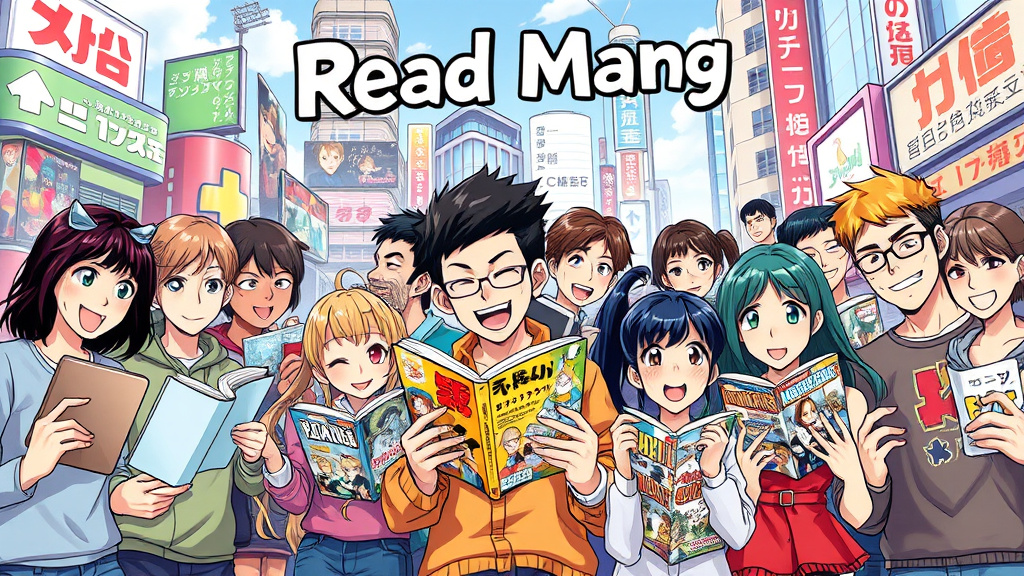 Hình minh họa: japanese comic books in english – manga reading websites legal
Understanding Copyright Law and Online Manga Distribution
Copyright law forms the backbone of all digital content distribution, including manga. It grants creators, publishers, and rights holders exclusive control over how their work is used, shared, and monetized. In the context of online manga distribution, these rights are often granted through licensing agreements with official platforms or publishers. Sites that operate without such licensing are often infringing on these rights, making their content illegal.
From a personal perspective, understanding copyright law prevents fans from unintentionally supporting piracy. It’s crucial to recognize that every time you access manga through unauthorized sites, you may be infringing on intellectual property rights, which can lead to legal penalties. Moreover, licensed platforms invest in quality scans, translations, and preservation of the original art, which illegal sites often neglect or distort, ultimately undermining the industry’s sustainability.

Identifying Legal Manga Reading Platforms: A Comprehensive Guide
Legal manga reading platforms typically display official licensing information, clear copyright notices, and partnerships with publishers. Reputable sites like VIZ, Shonen Jump, ComiXology, and Crunchyroll Manga often have verified credentials, secure payment options, and transparent licensing terms. These platforms prioritize the rights of creators and ensure that artists and writers receive fair compensation for their work.
In contrast, some sites masquerade as legitimate but lack proper licensing or omit essential copyright information. To identify legal platforms, look for hallmark features such as official branding, HTTPS security, and subscription-based or pay-per-view models. Also, research the platform’s publisher partnerships and reviews from trusted sources. Educating yourself on these markers helps preserve the integrity of manga distribution and ensures your reading experience is both safe and lawful.
The Risks of Using Unlicensed Manga Websites
Utilizing unlicensed manga websites exposes users to several significant risks. First and foremost, these sites often host pirated content, which means that every page load might contribute to the infringement of copyright laws. Additionally, such sites frequently harbor malware, intrusive ads, or phishing schemes that compromise your device's security and personal data.
Beyond the technical risks, engaging with unlicensed sites ultimately harms the industry. It deprives creators of revenue, discouraging new works and the livelihood of manga artists, editors, and translators. Moreover, illegal sites can impose legal consequences on users—ranging from warning notices to fines—if caught. Choosing legal platforms is thus not only safer for your device but also a responsible way to support the ongoing growth of manga as an art form.
Supporting the Manga Industry: Why Choose Legal Options?
Opting for manga reading websites legal benefits the entire industry—from artists and publishers to fans. Legal platforms guarantee artists fair compensation, enabling them to sustain their craft and invest in new projects. When users support licensed sites, they directly contribute to the ongoing creation, translation, and preservation of manga, ensuring its vitality and diversity.
Furthermore, legal options often provide higher-quality scans, official translations, and additional content such as author commentaries or exclusive interviews. These benefits enrich the reading experience while respecting intellectual property rights. Supporting legal sources also aligns with ethical standards; it incentivizes ethical industry practices and discourages piracy, ultimately fostering a healthier manga ecosystem that respects creators' rights and promotes innovation.
Free and Legal Manga: Exploring Available Alternatives
While many associate legal manga with paid subscriptions, there are numerous free and legal options worth exploring. Many publishers and platforms offer ad-supported content or limited free chapters to attract new readers, such as VIZ’s free Chapter of the Week or Webtoon’s open-access manga and webcomics. Public domain manga, which has entered the public domain due to expiration of copyright, is also freely available legally on sites like Project Gutenberg or specific manga archives.
These alternatives demonstrate that enjoying manga responsibly doesn’t necessarily entail a financial burden. Supporting such platforms incentivizes publishers to continue providing free, legal content. It’s essential for fans to seek out and promote these legal avenues, helping to create an ecosystem where manga can be enjoyed safely and ethically by generations to come.
Piracy vs. Legality: The Ethical Implications of Reading Manga Online
The debate between piracy and legality underscores the moral responsibilities of manga fans. Engaging with illegal sites not only violates copyright laws but also undermines the efforts of countless creators dedicated to producing quality work. Pirates often exploit the hard work of artists and translators by distributing scans without compensation, which can lead to poor-quality translations or distorted artwork.
Choosing legality aligns with a broader ethical stance that respects the labor and passion of manga creators. It’s about recognizing that behind every manga panel is a creator’s effort, and that supporting licensed platforms ensures they can continue to produce the stories fans love. Ethical consumption thus means patronizing official platforms and contributing to a sustainable industry that values both art and creator rights.
A Deep Dive into Manga Scanlation and Its Legal Status
Scanlation—fan-led translation and scan editing—has historically played a vital role in spreading manga globally before official translations became available. However, its legal status remains complex. While many scanlators operate out of passion and a desire to share manga with non-Japanese readers, their activities are generally considered copyright infringement under most jurisdictions.
Despite their cultural contribution, scanlations directly infringe on the rights of original publishers and creators. Some argue that they serve as promotional tools, but the long-term legality remains dubious. The growth of official digital platforms has begun to erode the need for scanlation, emphasizing the importance of supporting licensed content and recognizing that legal translations ensure fair compensation and quality assurance.
Protecting Creators: How Legal Platforms Benefit Manga Artists
The backbone of manga’s global success is the dedicated work of creators who invest their talents and time into each chapter. When fans choose manga reading websites legal, they directly support the economic ecosystem that sustains these artists. Licensing fees paid to publishers ensure that creators are compensated fairly, giving them the resources to continue producing new works.
Legal platforms also foster the development of high-quality translations, editorial oversight, and preservation efforts, which are essential for maintaining the integrity and longevity of manga. Choosing legal routes not only respects creator rights but also encourages publishers and investors to approve more projects. It establishes a virtuous cycle where the enjoyment of manga directly contributes to the growth and diversification of the art form.
Future of Manga Distribution: Trends in Legal Online Reading
The landscape of manga distribution is evolving rapidly with technological advancements and shifting consumer preferences. Streaming platforms are increasingly adopting subscription models, integrating manga with anime, and expanding to international markets. The rise of digital native publishers in North America and Europe demonstrates a commitment to legal, accessible, and affordable manga.
Looking ahead, innovations such as augmented reality, interactive manga, and AI-assisted translations will redefine how fans engage with their favorite series. These trends will likely lead to more sophisticated, user-friendly legal platforms that prioritize creator rights and sustainability. The future of manga distribution seems promising if consumers continue to value legal options, fostering an environment where creators are supported, and manga can flourish globally.
Conclusion
Navigating the legal landscape of manga reading websites requires an informed and responsible approach that prioritizes copyright laws, ethical considerations, and industry sustainability. Recognizing licensed platforms helps protect the rights of creators, ensures high-quality content, and fosters a vibrant manga community. While free and alternative options exist, supporting legal avenues provides a safer and more rewarding experience, underpinning the future growth of manga as an art form enjoyed worldwide. By choosing manga reading websites legal, fans can contribute to a healthy, ethical, and innovative manga industry that continues to inspire generations to come.